
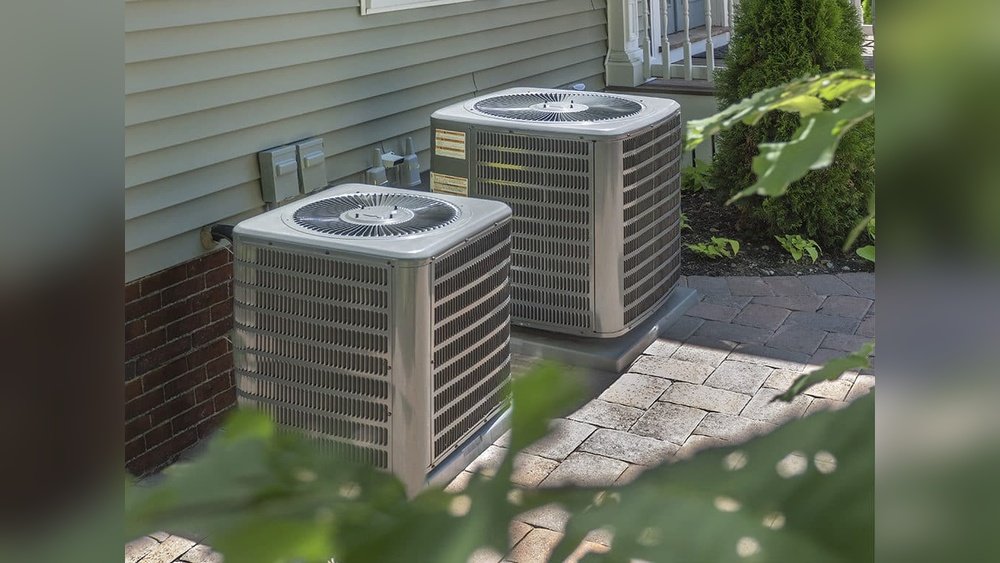
Wondering how long your HVAC system will keep your Fort Worth home comfortable? Knowing the lifespan of your heating and cooling system can save you from unexpected breakdowns and costly repairs.
If you want to avoid sudden discomfort and plan your budget wisely, this article is for you. Keep reading to discover exactly how long HVAC systems last in Fort Worth, TX, and what signs to watch for when it’s time to replace yours.

Credit: www.lincolntech.edu
Average Lifespan Of Hvac Systems
Knowing the average lifespan of HVAC systems helps Fort Worth homeowners plan for replacements. HVAC units do not last forever. Different types have different life expectancies. Understanding these timelines saves money and avoids unexpected breakdowns.
Typical Duration By System Type
Central air conditioners usually last about 12 to 15 years. Furnaces have a longer life, often around 15 to 20 years. Heat pumps tend to last between 10 and 15 years. Boilers can last 15 to 30 years but need regular care. Each system type has its own range based on design and use.
Factors Influencing Longevity
Regular maintenance greatly extends system life. Clean filters and timely tune-ups prevent wear and tear. Harsh weather conditions in Fort Worth can shorten lifespan. High humidity and dust cause more strain. Proper installation also affects how long units last. Overuse or improper settings lead to early failure. Quality of parts and brand reputation matter too.
Climate Impact On Hvac Durability
The climate in Fort Worth, TX, plays a big role in how long HVAC systems last. This area’s weather has many changes, and each one affects the system differently. Knowing these effects helps homeowners plan better maintenance.
HVAC systems face different challenges in Fort Worth because of hot summers and cold winters. These conditions cause wear and tear faster than in milder climates. Understanding these impacts can save money and keep the system working well longer.
Effects Of Fort Worth Weather
Fort Worth has hot summers with temperatures often above 90°F. This heat makes air conditioners work hard every day. Constant use can lead to parts wearing out sooner.
Winters are cooler, sometimes dropping below freezing. Heating systems turn on frequently to keep homes warm. This constant switch between cooling and heating stresses the system.
Humidity levels in Fort Worth also affect HVAC systems. High humidity makes the system work harder to remove moisture from the air. This extra effort can shorten the system’s life.
Seasonal Wear And Tear
Spring and fall bring changes in temperature that cause the system to cycle on and off often. These cycles cause parts to expand and contract, leading to faster wear.
Dust and pollen increase during these seasons. They clog filters and reduce airflow. Poor airflow strains the system and lowers efficiency.
Regular cleaning and filter changes can reduce damage from seasonal dust. Ignoring this can cause costly repairs and reduce system lifespan.
Maintenance Tips To Extend Life
Proper maintenance helps your HVAC system last longer and work better. Small actions can prevent big problems and save money. Regular care keeps your home comfortable all year.
Regular Inspection And Cleaning
Check your HVAC system often for dirt and damage. Clean dust and debris from vents and coils. Clear blocked drains and outdoor units. Clean systems use less energy and run smoothly.
Replacing Filters And Parts
Change air filters every 1 to 3 months. Dirty filters reduce airflow and make the system work hard. Replace worn parts like belts and motors quickly. Fresh parts keep your system safe and efficient.
Professional Tune-ups
Hire a professional to inspect your HVAC yearly. They check refrigerant levels, electrical connections, and system pressure. Experts find hidden issues before they grow. Tune-ups improve performance and extend your system’s life.
Signs Of Hvac System Aging
HVAC systems in Fort Worth, TX, do not last forever. Over time, they show signs of aging. These signs help homeowners know when to repair or replace their units. Recognizing these signs early can save money and avoid discomfort.
Reduced Efficiency
Older HVAC systems use more energy to cool or heat a home. They take longer to reach the desired temperature. Your energy bills may rise without a clear reason. Reduced efficiency is a common sign that the system is aging.
Unusual Noises Or Smells
Strange sounds like banging, rattling, or squealing often appear. These noises come from worn-out parts or loose components. Odd smells, such as burning or mold, can also develop. Both noises and smells warn of possible system trouble.
Frequent Breakdowns
Older HVAC units break down more often than new ones. You might call for repairs several times a year. These constant problems increase repair costs and cause frustration. Frequent breakdowns indicate the system is nearing the end of its life.
When To Repair Vs Replace
Deciding whether to repair or replace your HVAC system in Fort Worth, TX, can be tricky. The choice depends on several factors, including the age of your system, repair costs, and overall performance. Understanding these points helps you make a smart decision that saves money and keeps your home comfortable.
Cost-benefit Analysis
Check the repair cost compared to the price of a new system. If repairs cost more than half the price of a new unit, replacement is often better. Frequent repairs add up and can become expensive fast. New systems come with warranties, lowering future expenses. Calculate the long-term savings before deciding.
Energy Efficiency Considerations
Older HVAC units use more energy to cool or heat your home. Newer models meet stricter energy standards and use less power. Switching to a new system can lower your utility bills. Look for ENERGY STAR rated units for the best savings. Efficient systems reduce your carbon footprint, helping the environment.
Impact On Home Comfort
Repairing an old system may not fix all comfort issues. Uneven heating or cooling, strange noises, and poor airflow suggest replacement. New HVAC systems offer better temperature control and quieter operation. Improved air quality features come standard in newer models. This upgrade makes your living space more pleasant and healthy.
Choosing A New Hvac System In Fort Worth
Choosing a new HVAC system in Fort Worth requires careful thought. The climate here means your system must handle hot summers and cool winters. Picking the right unit saves money and keeps your home comfortable year-round.
Consider energy use, size, and installation options. These factors affect performance and costs. A well-chosen system runs efficiently and lasts longer.
Energy-efficient Models
Energy-efficient HVAC models use less electricity. They lower your utility bills and reduce environmental impact. Look for systems with a high SEER rating for cooling and a good AFUE rating for heating. These numbers show how well the system converts energy into comfort.
Energy-efficient units also often qualify for rebates. This can help with upfront costs. They provide better comfort by maintaining steady temperatures and humidity levels. Choosing an efficient model is smart for Fort Worth homes.
Sizing For Your Home
Proper sizing is key for HVAC performance. A system too small won’t cool or heat well. One too large wastes energy and wears out faster. Professionals use your home’s square footage, insulation, and windows to size the unit.
Fort Worth homes vary in size and layout. A detailed load calculation ensures the right fit. This avoids problems like uneven temperatures or high electric bills. Accurate sizing improves comfort and extends system life.
Local Installation Services
Choosing local HVAC installers benefits you. They understand Fort Worth’s weather and building codes. Local experts can recommend systems that work best in this climate. They also respond quickly for maintenance or repairs.
Good installation affects how well your HVAC system works. Poor setup can reduce efficiency and shorten lifespan. Licensed local professionals follow proper procedures and safety standards. Trusting local services ensures smooth installation and reliable support.
Warranty And Service Plans
Understanding warranty and service plans helps protect your HVAC system in Fort Worth, TX. These plans offer peace of mind and can save money on repairs. They also keep your system running smoothly for longer.
Types Of Warranties
Most HVAC systems come with a manufacturer’s warranty. It covers parts and defects for a set time, usually 5 to 10 years. Some warranties cover only specific parts, like the compressor or coil. Extended warranties may be available for extra protection. Always read the warranty details to know what is covered.
Benefits Of Service Agreements
Service agreements provide regular maintenance by professionals. Regular check-ups catch small problems before they grow. These plans often include discounts on repairs and priority service. They also help keep your warranty valid by following maintenance rules. Signing up for a service plan can extend the life of your HVAC system.

Credit: texcoreconstruction.com
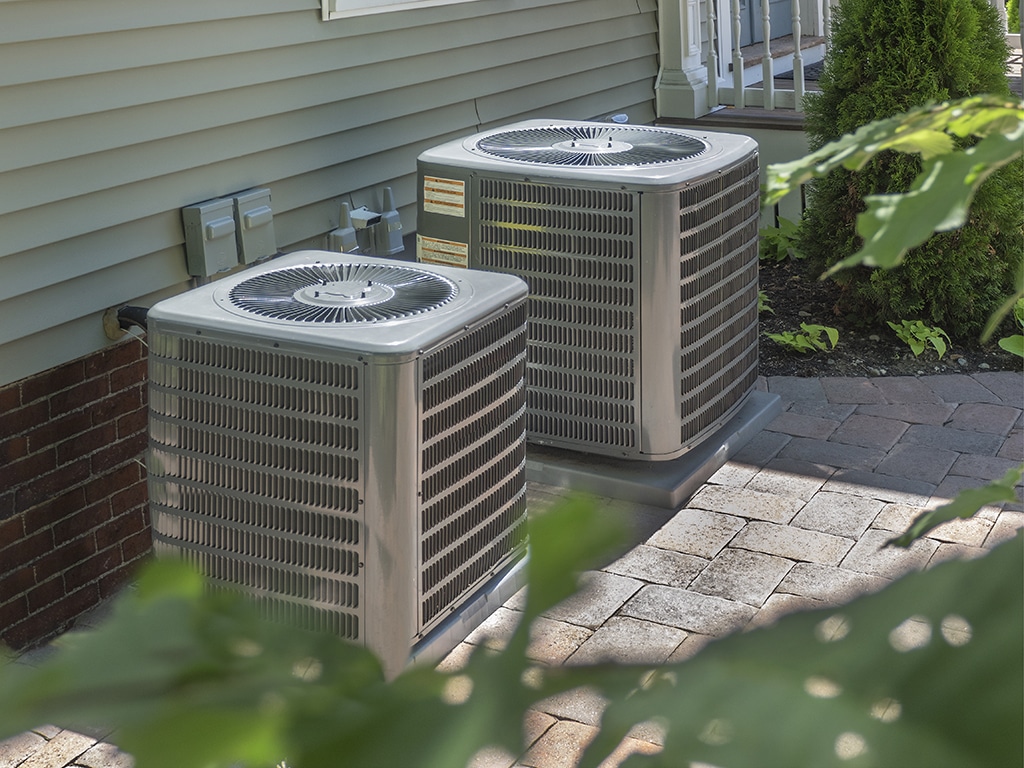
Credit: www.onehourairftworth.com
Frequently Asked Questions
How Long Do Hvac Systems Typically Last In Fort Worth Tx?
HVAC systems in Fort Worth generally last 10 to 15 years. Proper maintenance can extend their lifespan beyond 15 years. Harsh Texas weather may reduce durability if neglected.
What Factors Affect Hvac System Lifespan In Fort Worth?
Climate, maintenance frequency, and system quality impact HVAC longevity. Fort Worth’s heat stresses cooling units more. Regular servicing and timely repairs help maximize system life.
When Should I Replace My Fort Worth Hvac System?
Replace your HVAC if it’s over 15 years old or frequently breaks down. Rising energy bills and poor performance also signal replacement time. Consult a local expert for an inspection.
How Does Fort Worth Weather Impact Hvac Durability?
Hot summers increase wear on air conditioners, shortening their lifespan. Humidity can cause corrosion and damage components. Protective measures and regular tune-ups combat weather effects effectively.
Conclusion
HVAC systems in Fort Worth usually last 10 to 15 years. Regular care helps them run longer and better. Watch for signs of trouble like strange noises or poor airflow. Replacing old systems saves money on repairs and energy bills.
Choose a trusted technician for maintenance and repairs. Keeping your HVAC in good shape ensures comfort year-round. Remember, a well-maintained system lasts longer and works well. Don’t wait until it breaks down to act. Stay ahead and enjoy a cool, cozy home all year.